
Last updated November 21, 2026
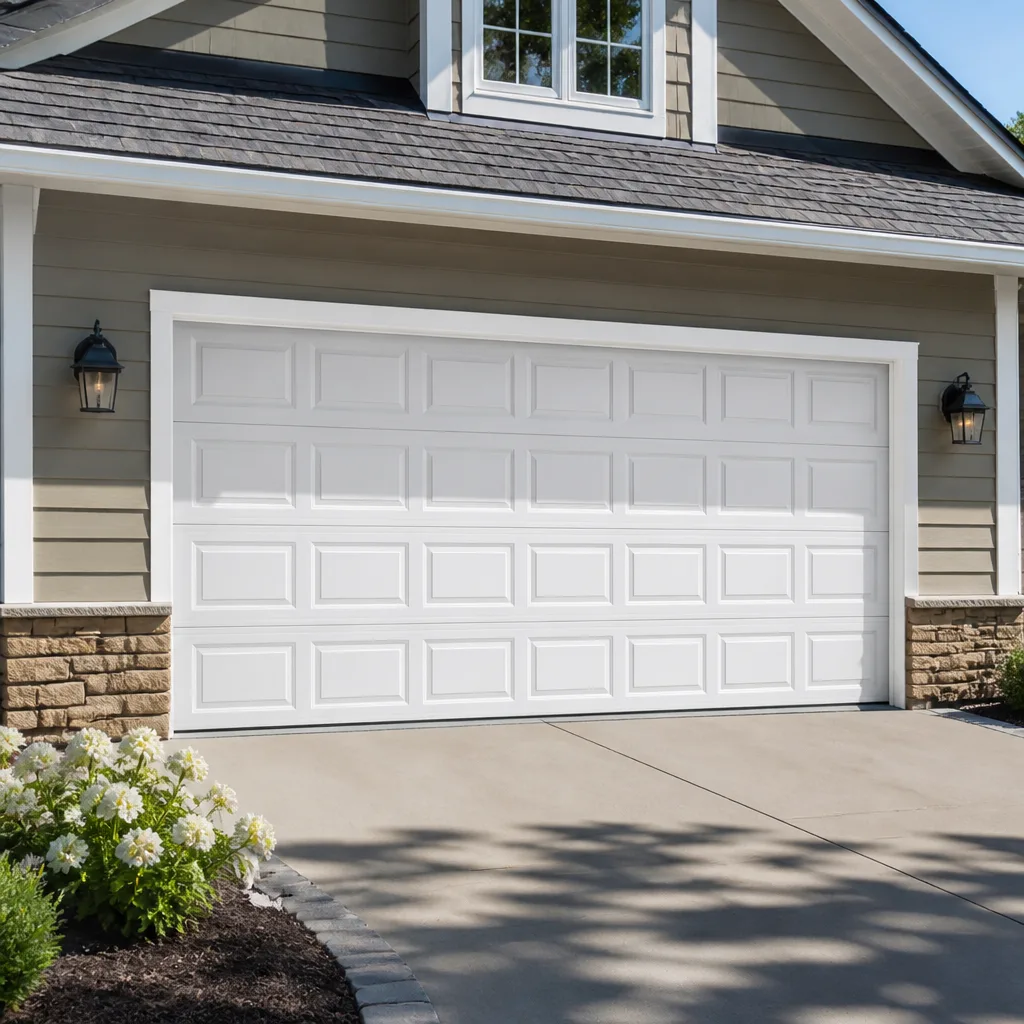 Raised-panel steel
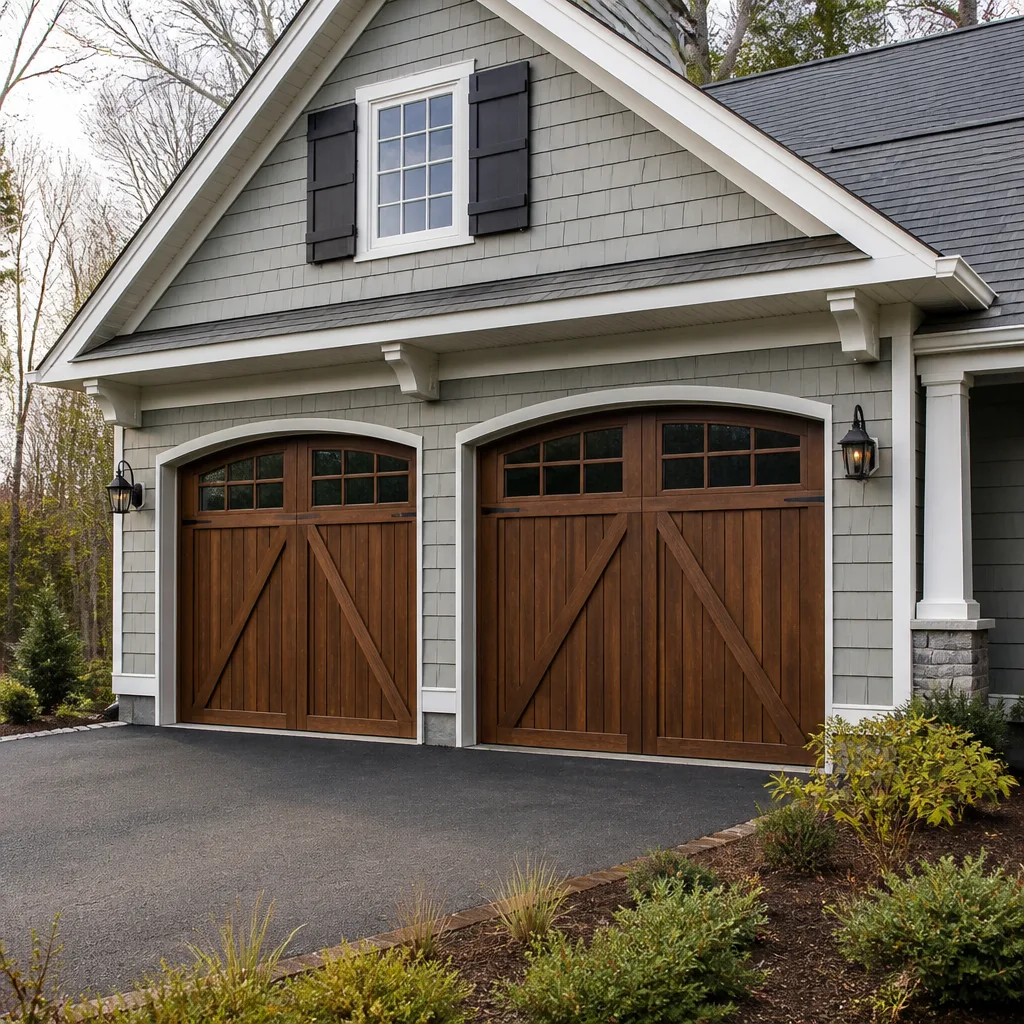 Carriage house
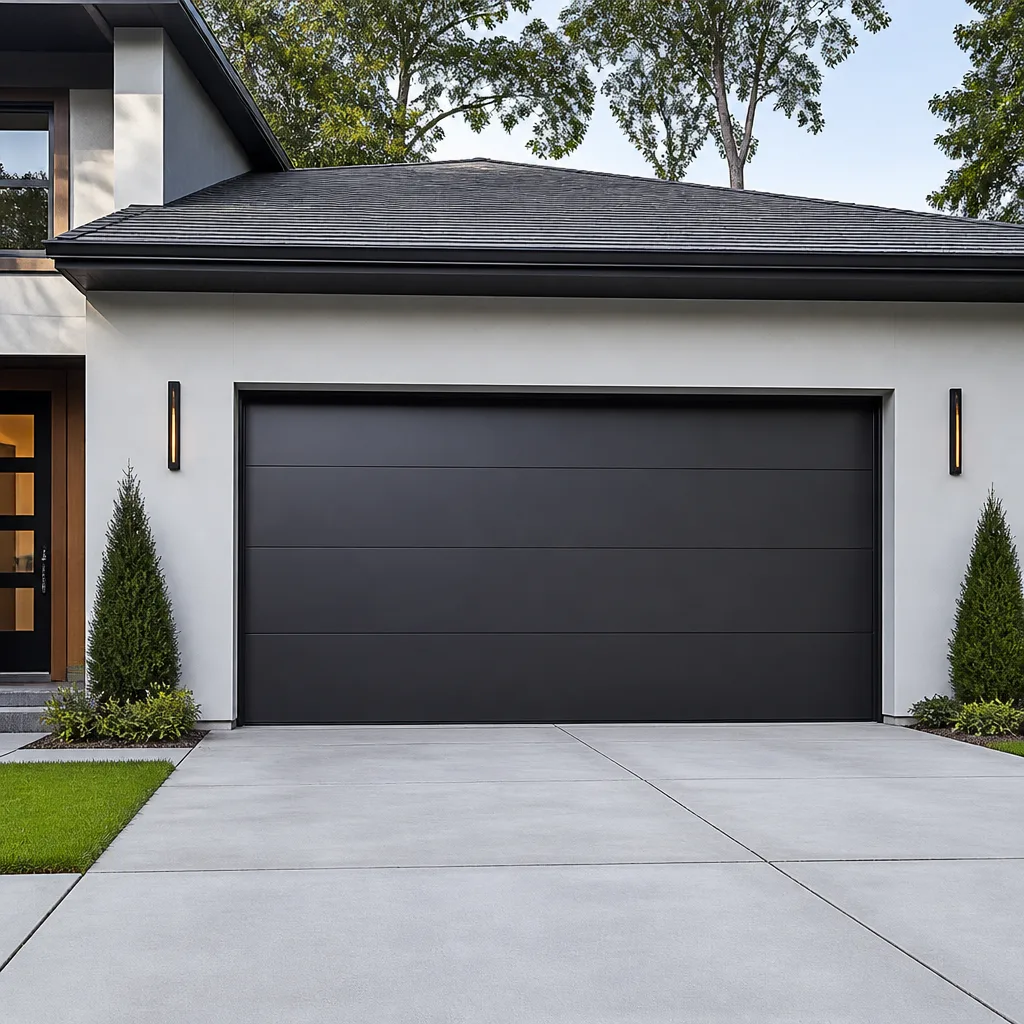 Modern flush
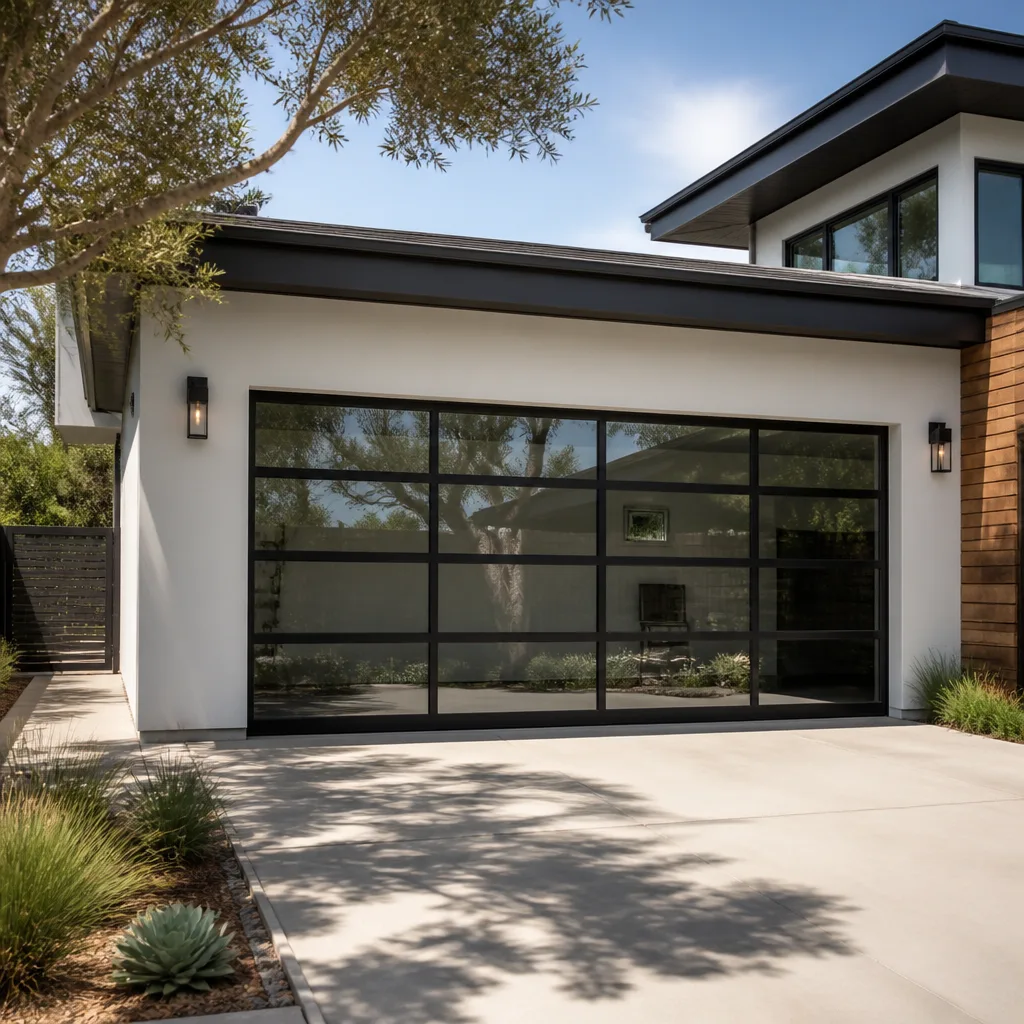 Full-view glass
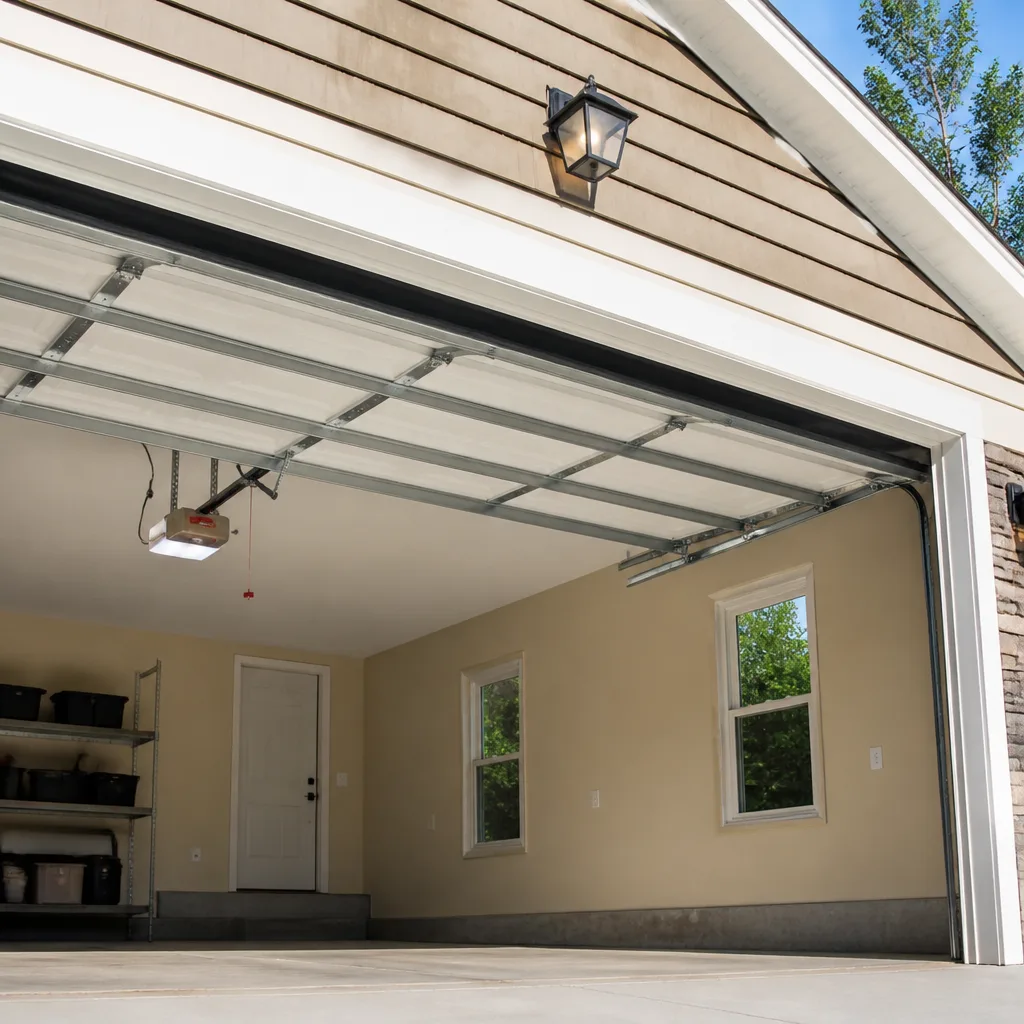 LiftMaster openers
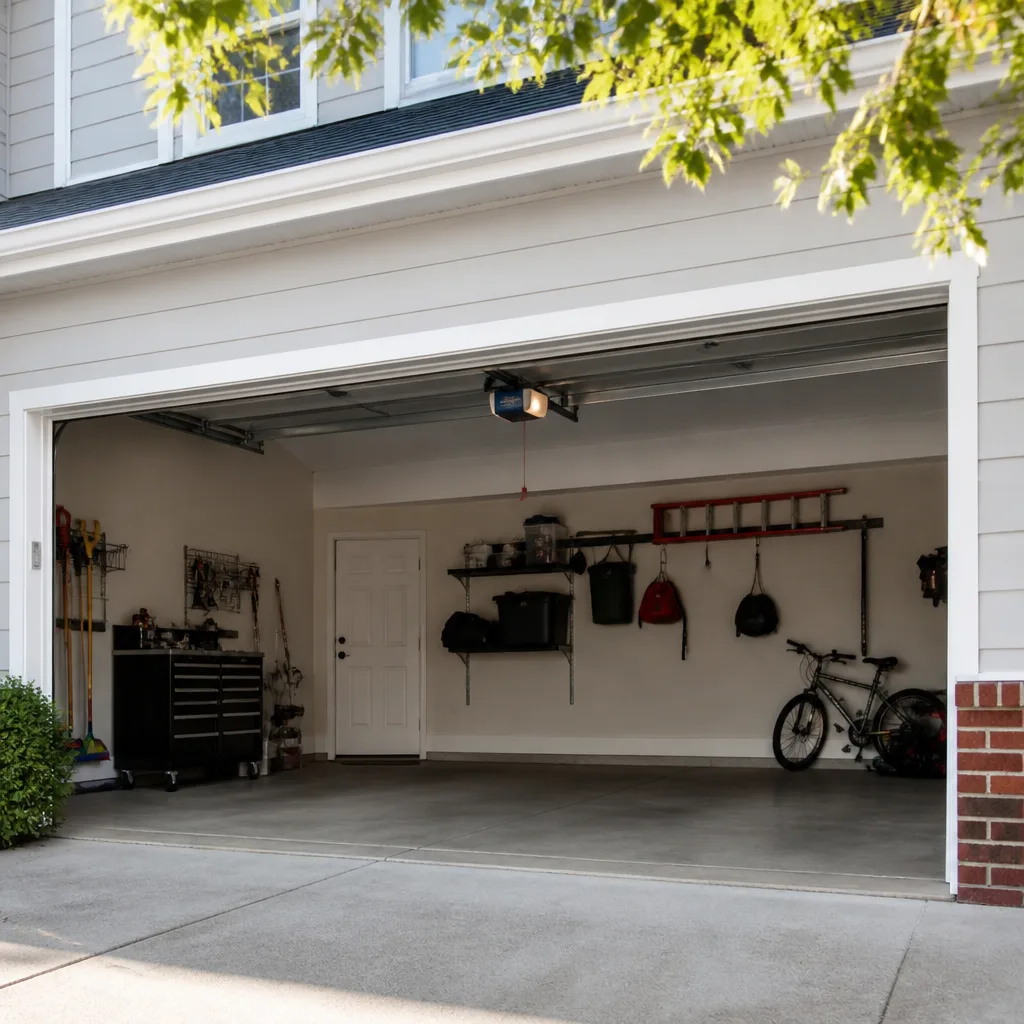 Chamberlain openers
Full 25-point door and opener safety check with every visit - springs, cables, rollers, tracks, and your LiftMaster or Chamberlain opener included
You get a price before we start. It does not change when the pro arrives.
Get your free estimateGarage Door Repair Troubleshooting in Port Saint Lucie: Common Problems and How to Fix Them
Your garage door didn’t just “stop working.” It gave you a specific clue: a grinding noise, a gap on one side, a motor that hums while nothing moves. Most homeowners treat every failure the same way and reach for the same fix, then wonder why the door still won’t close. The clue is the diagnosis. That grind points at one part. That one-side sag points at another. In Port Saint Lucie, humidity adds a wrinkle most generic guides skip entirely, and it changes what fails and how fast. This guide maps symptoms to root causes, separates opener trouble from door trouble, and tells you which checks are safe to do yourself and which ones you should never touch.
Quick Answer
Most garage door failures come down to five mechanical points: the springs, the cables, the rollers and tracks, the opener’s logic or drive, and the safety sensors. Match the symptom – grinding, a reversed direction, a one-side sag, a humming motor – to the right system before you call, and you’ll get the correct part on the first visit instead of paying for a guess. Anything involving the high-tension springs or cables is a stop-and-call situation for a trained technician.
Styles & brands we work with
- Raised-panel steel
- Carriage house
- Modern flush
- Full-view glass
- LiftMaster openers
- Chamberlain openers
Table of Contents
- The Five Failure Points Behind Almost Every Garage Door Problem
- Symptom-to-Part Diagnostic Matrix
- How Port Saint Lucie Humidity Changes What Fails
- Opener Problem or Door Problem? How to Tell the Difference
- Safe Troubleshooting You Can Do Yourself
- What You Should Never Touch
- How to Describe Your Problem So the Right Part Arrives
- Brand Matters More Than You Think
The Five Failure Points Behind Almost Every Garage Door Problem
Here’s the counterintuitive part: the opener, the part everyone blames first, is often innocent. A garage door is a balanced system, and balance depends on a handful of mechanical parts doing their jobs. When one fails, the door drags, binds, or reverses, and the opener takes the blame. We’ve seen this misdiagnosis lead homeowners to replace a perfectly good motor while the real culprit – a stretched spring or a bent track – stays in place. Instead of chasing the loudest symptom, work through the five mechanical points a Port Saint Lucie door depends on.
- Springs. Torsion springs (mounted on a shaft above the door) or extension springs (running along the sides) carry the door’s weight. When one breaks, the door becomes dangerously heavy and the opener strains to lift it.
- Cables. The cables transfer spring tension to the door’s bottom corners. A worn or frayed cable can lift the door unevenly or drop a corner.
- Rollers and tracks. Rollers ride inside the track. Worn rollers grind and rattle; bent or misaligned tracks make the door bind and stall.
- The opener’s drive. A chain, belt, or screw drive moves the door once the springs have done the heavy lifting. A stripped gear or snapped belt leaves the motor spinning with nothing to grab.
- Sensors and logic board. The safety sensors and control board decide whether the door is allowed to move and which direction it travels. Misalignment or a fault here stops a door that’s mechanically fine.
Five points. Five distinct symptoms. The rest of this guide walks you through matching them, because getting that match right is what separates a one-visit fix from a second truck roll. Every technician we connect you with has up to 9 years of experience reading these clues, and the pattern is consistent whether you’re on the south side of Port Saint Lucie near Becker Road or farther north toward Torino.
Symptom-to-Part Diagnostic Matrix
The fastest way to shorten a repair is to tell us exactly what the door is doing – not that it “broke,” but what it sounds and looks like when it fails. Below is the mapping we use when a homeowner describes a problem over the phone. Find your symptom in the left column and you’ll usually land on the right component before anyone arrives. This is the single most useful piece of troubleshooting you can do in Port Saint Lucie, because it turns a vague complaint into a lead.
- Loud grinding or scraping as the door moves: worn rollers, dry or damaged hinges, or a bound track. Rarely the opener unless the grinding comes from inside the motor housing itself.
- Door reverses immediately after touching the floor: safety sensor misalignment, a sensor lens blocked by dirt or a spider web, or a travel-limit setting that needs adjustment.
- Door travels a foot or two then reverses: usually a force or limit setting on the opener, or a binding track the opener senses as an obstruction.
- One side of the door sags or the door lifts crooked: a broken or stretched spring on one side, or a snapped cable on one corner. This is a balance problem, not an opener problem.
- Motor hums but nothing moves: stripped opener gear, a snapped belt or chain, or a broken spring that has made the door too heavy for the opener to lift. Check the springs first.
- Door won’t open at all and the opener clicks: a failed logic board, a dead capacitor, or a safety sensor holding the door in a stopped state.
- Grinding or popping from the ceiling mounted unit: a worn gear inside the opener, or a loose drive sprocket, which is opener-side and separate from the door.
- Door is balanced but won’t close and the light flashes: the sensor circuit isn’t completing, so the opener refuses to close. This is a safety feature working as designed.
Notice how many of these land on the door itself rather than the motor. That’s the pattern we see across Port Saint Lucie. When you call in a symptom instead of a name, the technician can load the right rollers, cable, or spring set and skip the return trip. That’s the whole idea behind the right part, the first time.
How Port Saint Lucie Humidity Changes What Fails
Port Saint Lucie is warm and humid for most of the year, and that shapes garage door failures in ways a general guide won’t mention. Moisture in the air does two things to a door’s metal parts: it speeds corrosion on cables and hardware, and it rusts the torsion spring’s coils from the inside out. In drier climates, a cable might last years with minor surface wear. Here, the strands inside the cable can corrode and lose strength well before the outside looks bad. That’s why cable failures show up as sudden surprises rather than gradual warnings. The rust you can see on a spring isn’t the whole story; what matters is the pitting on the wire where the coil wears against itself.
So what should a Port Saint Lucie homeowner watch for?
- Cables that look dull, grey, or fuzzy: any fraying or a cotton-like fuzz on the cable means the strands are letting go. Stop stressing the door and call a technician.
- Rust streaks on the torsion spring: visible rust is a warning sign, and combined with a struggling door it’s a reason to have the spring checked rather than oiled and forgotten.
- Sticking or squealing rollers: humidity dries out older steel rollers and makes them squeal. Lubrication helps, but worn rollers still need replacing.
- Stiff, sticky operation in the rainy season: if your door gets harder to move during the wetter months, the balance is telling you something. Never adjust a spring to compensate.
We’re not going to tell you humidity is the same as living on the open ocean – it isn’t – but a humid interior garage is real, and moisture plus time is what ages a door. The takeaway for a home in Port Saint Lucie is simple: have the cables and springs looked at on a schedule, not just when something snaps. That’s cheaper than a broken spring surprise and much cheaper than a door that drops.
Opener Problem or Door Problem? How to Tell the Difference
This is the most common mix-up we see. Homeowners call about “the opener” when the real problem lives in the door’s hardware, and they call about the door when it’s actually the opener’s logic. Getting this right saves you from replacing a motor that was never broken. The good news is there’s a simple way to separate the two systems before anyone touches a tool.
Here’s how to sort it out:
- Disconnect the door from the opener. Most openers have a manual release cord hanging from the rail. Pull it so the door is free of the motor. This is safe and reversible – re-engage it later by running the opener once.
- Lift the door by hand, to about halfway, and let go. A balanced door should stay roughly where you put it. If it falls or slams, the springs or cables are the problem, not the motor.
- If the door is easy and stays put by hand, but the opener won’t move it, the problem is opener-side: the gear, belt, logic board, or safety sensors.
- If the door is heavy by hand or drags on one side, the problem is the door: springs, cables, rollers, or track. The opener will also strain and may stop or reverse, which looks like a motor fault but isn’t.
Once you know which system is at fault, the right technician can focus on it. Our garage door opener repair covers the smart-home brands that dominate Port Saint Lucie garages – LiftMaster, Chamberlain, Genie, and Craftsman – including connectivity and app problems, not just mechanical ones. And if the door’s balance is off, that’s a hardware job. Two systems, two kinds of work, one rule: diagnose before you replace.
Safe Troubleshooting You Can Do Yourself
Some checks are genuinely safe and useful. Others are not, and knowing the difference keeps you out of a hospital bed. We’re going to be specific about the line. The openers and door hardware we work with are built around a simple set of user-serviceable items, and the rest is left to trained hands for good reason.
Safe things to check at home:
- Clean and realign the safety sensors. The two small lenses at the bottom of the tracks on either side of the opening. Wipe them with a soft cloth, make sure they point at each other, and check that the indicator light (usually on one sensor) is solid rather than blinking. This alone fixes a huge share of “won’t close” calls.
- Check the manual release. Test that the release cord pulls freely and the door disconnects. If it jams, that’s a call, but verifying it isn’t a repair.
- Adjust the travel limit and force settings on the opener. These are the two controls on the openers installed across Port Saint Lucie – one sets how far the door travels, the other how hard it pushes. The owner’s manual for your LiftMaster, Chamberlain, Genie, or Craftsman unit explains it.
- Lubricate rollers and hinges. A light silicone-based lubricant on the moving parts of the door is fine and quiet. Don’t lubricate the track itself.
- Look at the door straight-on from inside. A door that’s visibly crooked or that sags on one side tells you the balance is off – note it, but don’t adjust it.
Everything else – spring tension, cable tension, track alignment that needs forcing – belongs to a trained technician. We’ll cover why in the next section.
What You Should Never Touch
The springs and cables carry the door’s full weight under high tension, and they can cause serious injury in an instant if handled wrong. This is the one part of garage door work where there’s no safe shortcut and no home fix. A torsion spring is not a tensioned bolt you loosen to see what happens. When you adjust a cable or a spring without the right winding bars and the knowledge of how much tension you’re releasing, the result isn’t a fixed door – it’s a stored-energy release you can’t control.
These are the jobs we ask homeowners never to attempt:
- Adjusting, removing, or winding a torsion spring. This is the highest-risk repair in the trade and always a professional job.
- Adjusting, removing, or reattaching lift cables. A cable under tension can whip when it lets go.
- Forcing a bent track back into shape. Bending a track by hand can kink the rails and send the door off track.
- Drilling into the door or the spring shaft. Never add holes to a spring system or a reinforced door.
- Propping a broken door up with anything. A door with a broken spring is unsupported weight. Once it’s down, keep it down and call.
Spring repair done safely is a core service here, not an upsell. If you’ve never had your springs checked and your door seems to be struggling, call (877) 713-8285. We answer 24/7, and fast dispatch from 7am to 7pm gets a trained technician to your door.
How to Describe Your Problem So the Right Part Arrives
Here’s the practical payoff of reading a diagnostic guide: when you describe your problem accurately, the technician brings the right part the first time. That matters in Port Saint Lucie, where a wrong guess can mean a second trip and more days without your primary entry point. The next time you call, use a short script. It takes two minutes and it shortens the repair.
- Name the symptom, not the conclusion. Say “the door won’t close and the light on the wall unit flashes” instead of “the opener broke.” The flashing light is a clue; “broke” is not.
- Say whether the door is heavy or balanced by hand. Pull the release, lift the door halfway, and say whether it holds or falls. That single answer points to opener or door.
- Note the sound. Grinding, squealing, popping, or silence. The noise narrows the part.
- Give the brand and model if you can see it. The brand is usually printed on the opener unit or the door’s bottom panel. Clopay or Amarr doors, a Wayne Dalton door, and a Craftsman opener all point at different parts to carry.
- Describe any recent change. A new paint job on the door, a recent power outage, a bumped sensor, a garage that flooded slightly in a rainy stretch. These often explain the failure.
When we have this information, we can carry the exact spring, cable, or roller your door needs rather than a best guess. We stock and source parts for LiftMaster, Chamberlain, Genie, Clopay, Amarr, Wayne Dalton, Craftsman, and Raynor systems, so the first visit is the fix.
Brand Matters More Than You Think
Garage doors and openers aren’t interchangeable parts, and treating them that way is where a lot of attempted fixes go wrong. A roller that fits a Clopay door can be wrong for an Amarr door, and a replacement gear for a Genie opener won’t fit a Craftsman. Every brand has its own parts pattern, its own drive configuration, and its own quirks when something wears. Knowing which brand you have before you replace anything is the difference between a fix and a return.
That’s why we go deep rather than broad. We work across eight of the most widely installed brands in residential America – LiftMaster, Chamberlain, Genie, Clopay, Amarr, Wayne Dalton, Craftsman, and Raynor – and we keep familiarity with each one, not just one. It’s not a one-brand shop. When an opener-side fault shows up in a Chamberlain or LiftMaster unit, the connectivity and app-integration troubleshooting is part of the job, not a footnote. When a Wayne Dalton door needs a part, we know the door, not just the model number.
Full garage door installation is part of that too. A new door that isn’t matched to the right spring and opener setup ends up unbalanced from day one. Because repair, opener work, parts supply, and installation all stay under one provider, you don’t get a runaround between a door company and an opener company. That single-source capability is what makes a one-call fix possible in Port Saint Lucie. Our technicians have up to 9 years of experience with these brands, and it shows in the diagnosis.
Common Mistakes to Avoid
- Replacing the opener when the door is off-balance. A motor that hums but won’t lift is often the victim, not the cause. Check the springs before you buy hardware.
- Greasing the track. A dry, clean track is correct. Lubricant on the track collects grit and dirt and makes rollers stick; lubricate the rollers, not the rail.
- Ignoring a frayed cable because the door still opens. Cable strands often corrode from the inside in a humid climate like Port Saint Lucie, and a cable that looks fine can be close to failing. Don’t wait for the pop.
- Adjusting spring tension yourself. High-tension work is where homeowners get hurt. Springs are a professional job, full stop.
- Mismatching parts between brands. A Genie gear doesn’t fit a Craftsman drive, and a Clopay roller isn’t an Amarr roller. Brand-specific parts prevent a return trip.
- Relying on the “it’s closed so it’s fine” check. A door can be fully closed and still have a broken spring hanging over it. Test the balance by hand periodically.
- Letting a small sensor misalignment become a repair call. Cleaning and realigning the safety sensors is free and easy. Try that before you assume the worst.
See the difference
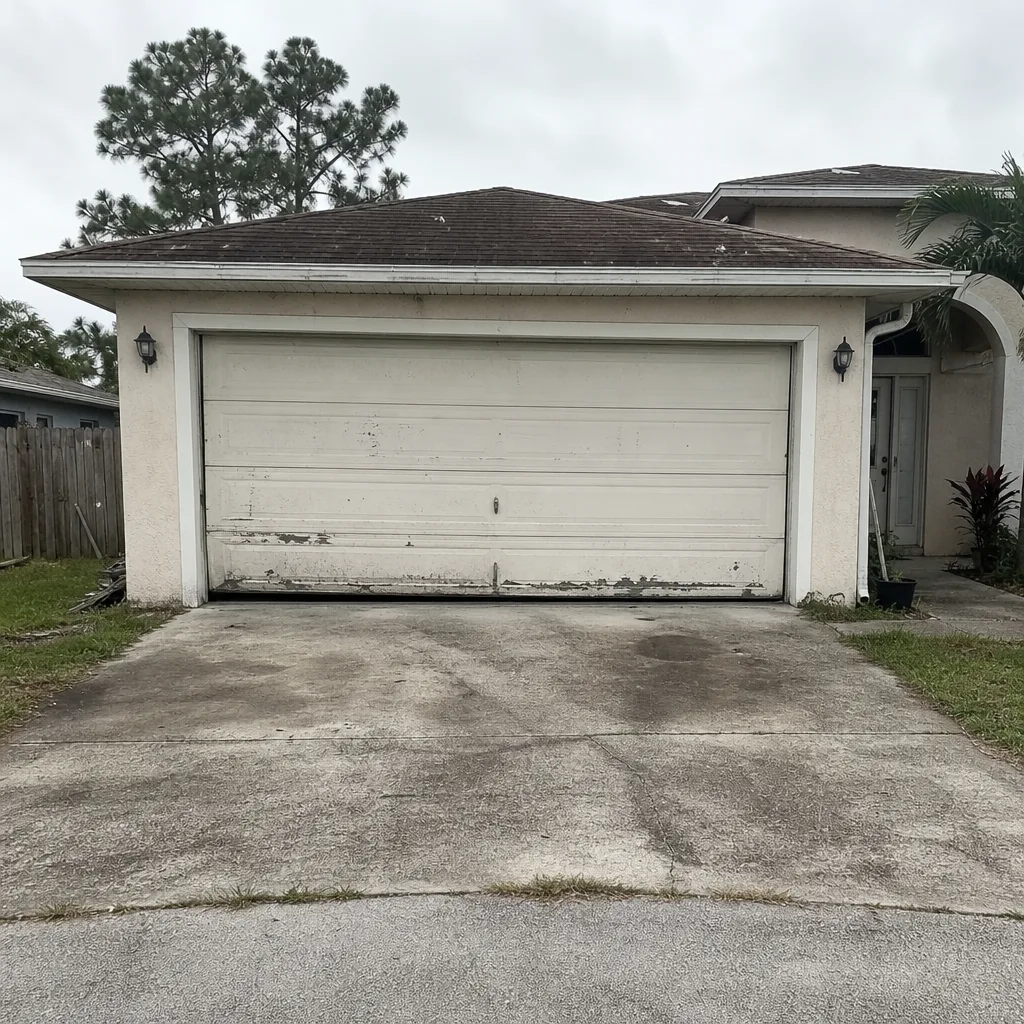 Before
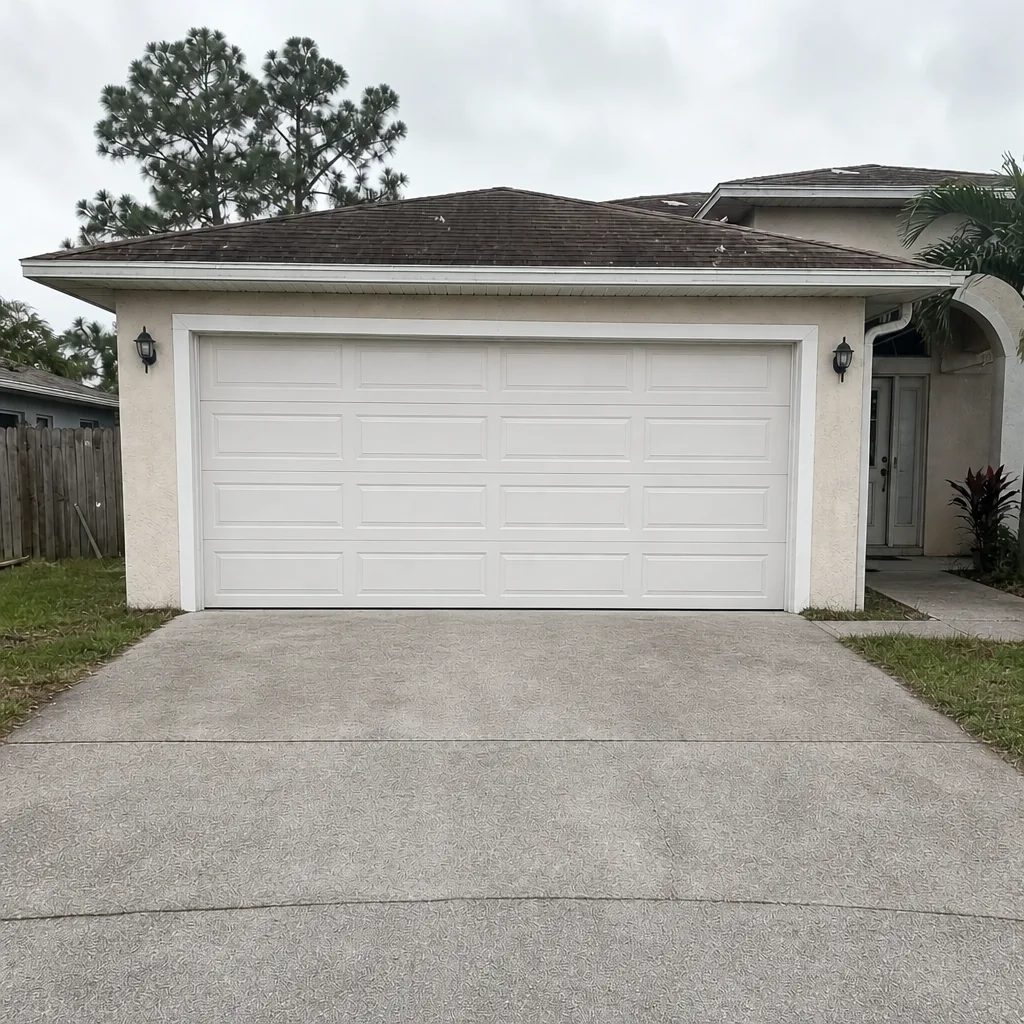 After
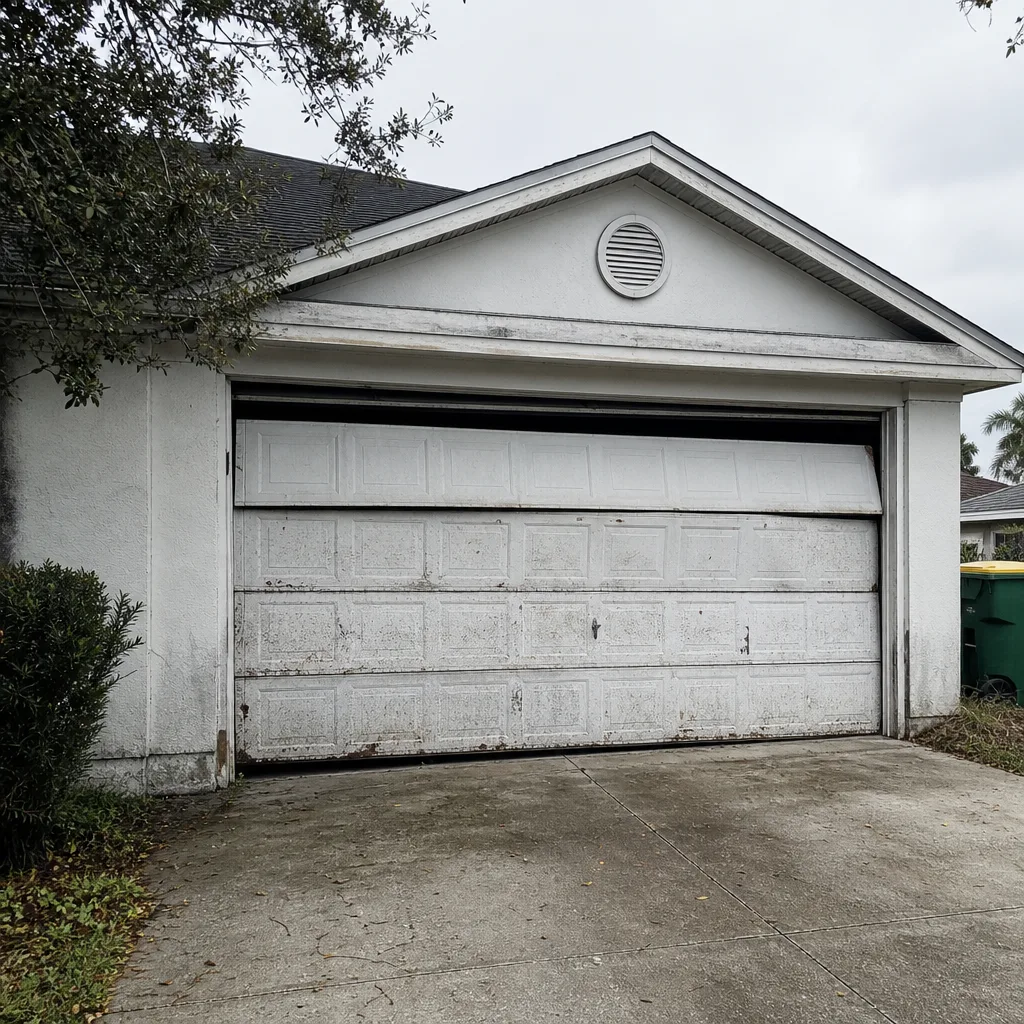 Before
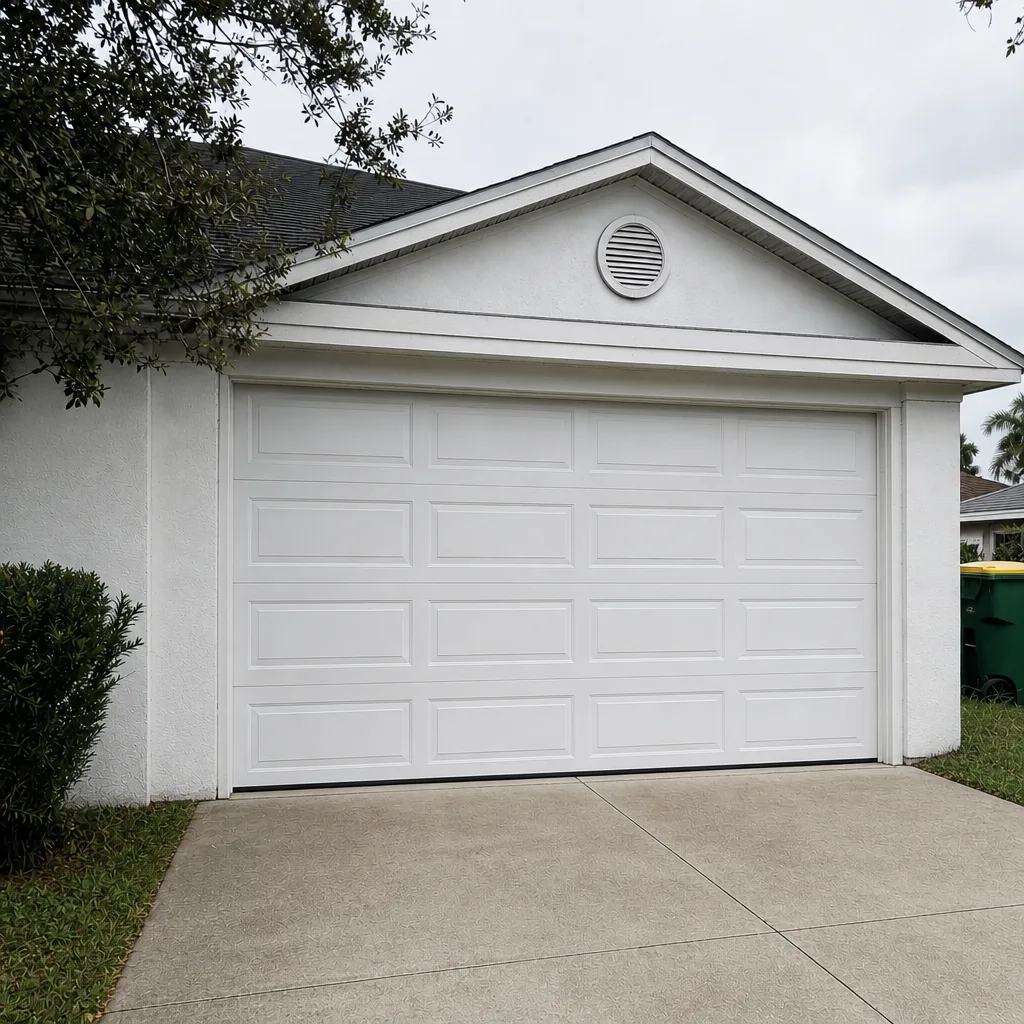 After
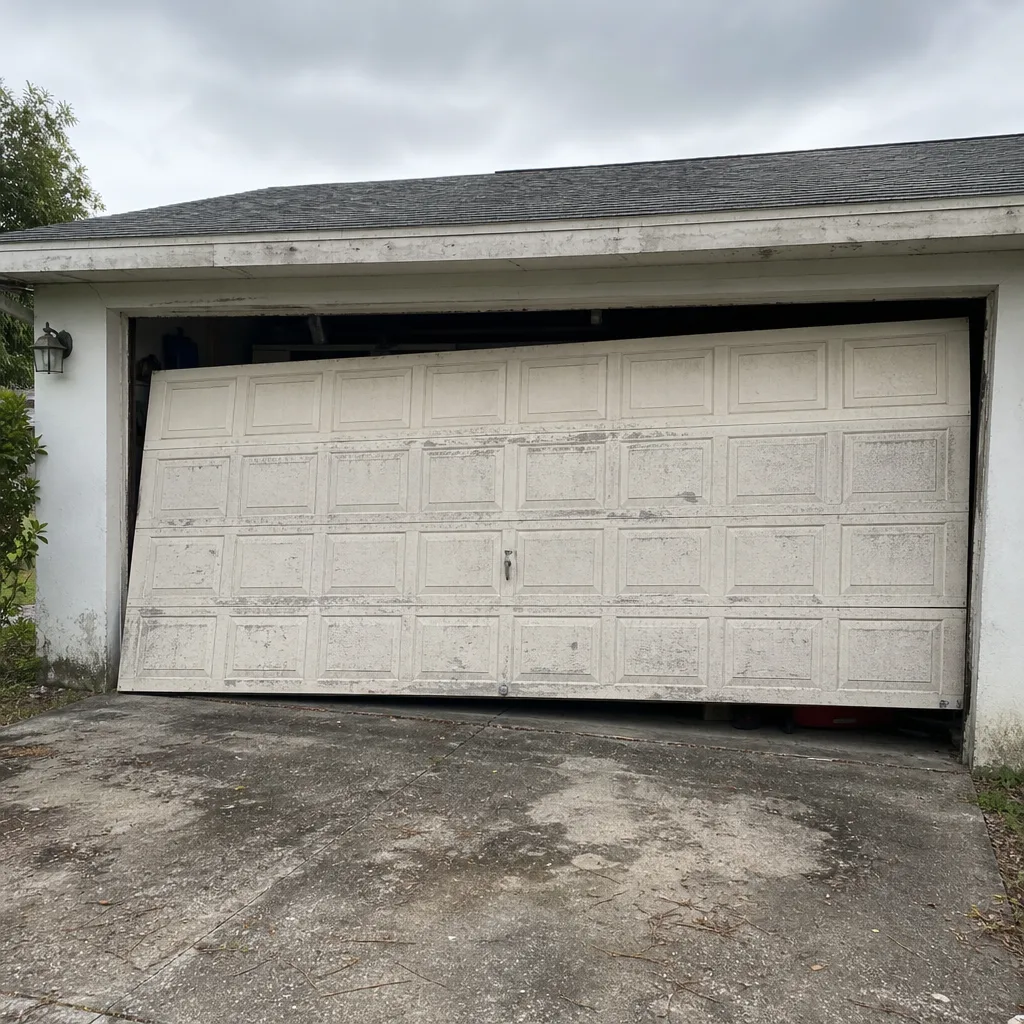 Before
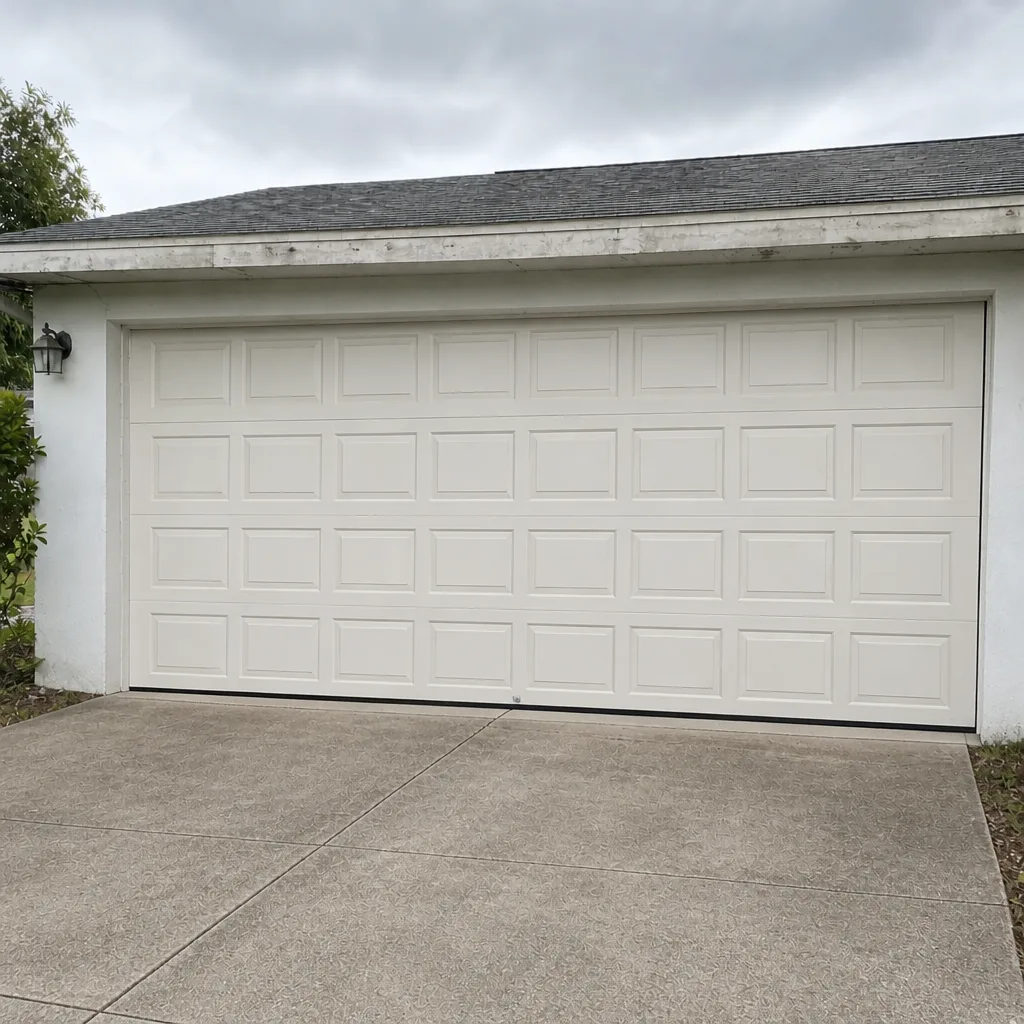 After
When to Call a Professional
Call a technician when the door is heavy by hand, when a cable looks frayed, when the door sags on one side, or when the opener hums but nothing moves. Those four signs point at hardware or drive parts that need the right tools and the right part. Call too if you’ve run through the safe checks – sensors clean, limits set, manual release working – and the door still misbehaves. Port Saint Lucie homeowners deal with humidity wear on cables and springs, and a trained technician can spot early corrosion before it snaps. We answer 24/7, with fast dispatch from 7am to 7pm, Sunday through Friday. Garage Door Repair Port Saint Lucie offers free estimates in Port Saint Lucie – call (877) 713-8285 and we’ll take it from the symptom.
Frequently Asked Questions
Disconnect the door from the opener using the manual release, lift the door halfway by hand, and let go. If it holds roughly in place, the door is balanced and the problem is likely opener-side. If it falls or drags on one side, the door’s springs, cables, or track are the culprit. Call (877) 713-8285 for an exact quote – estimates are free.
Yes, spring repair is commonly handled same day when the right spring is available for your door. The catch is getting the right part, which is why we stock and source springs for Clopay, Amarr, Wayne Dalton, and Raynor doors rather than carrying one size. Call early and describe your door so the right spring can be set aside.
A door that reverses right after touching the floor is almost always a safety sensor issue – misaligned lenses, a blocked lens, or a travel limit set too high. Wipe the sensors clean and check that they point at each other before you assume a repair. If realigning them doesn’t fix it, call (877) 713-8285.
Yes, humidity speeds corrosion on cables and hardware, and it rusts torsion springs from the inside out. In a humid climate, cable strands can corrode well before the outside of the cable looks worn, so a cable that looks fine can be close to failing. Have cables and springs inspected on a schedule, not just after a failure.
The local professional we connect you with is licensed and insured as their state requires, so you’re covered when the work happens. Our technicians have up to 9 years of experience with the brands on your door. Call (877) 713-8285 to book a free estimate.
We work across eight widely installed brands: LiftMaster, Chamberlain, Genie, Clopay, Amarr, Wayne Dalton, Craftsman, and Raynor. That includes opener work and app-integration troubleshooting on the smart-home brands, not just mechanical fixes. If you’re not sure of your brand, tell us the symptom on the call and we’ll carry the right part.
The Bottom Line
Most garage door trouble in Port Saint Lucie traces back to five mechanical points: springs, cables, rollers and tracks, the opener’s drive, and the sensors and logic board. The symptom is the clue – a grind, a one-side sag, a hum with no movement, a quick reversal. Match the clue to the part before you call and the fix usually happens on the first visit. Humidity wears cables and springs faster here, so have them checked on a schedule rather than waiting for a snap. Springs and cables are never a home job; sensors, limits, and lubrication are. If you’re past the safe checks, call (877) 713-8285 for a free estimate and describe the symptom. Our garage door repair team handles the diagnosis from there, and our Garage Door Repair Port Saint Lucie service covers the full range of fixes, so one call gets it resolved.
Contact Us
If your garage door is giving you a clue you can’t quite read, don’t guess at the part. Call (877) 713-8285. We answer 24/7, fast dispatch runs from 7am to 7pm Sunday through Friday, and estimates are free. The price is quoted and agreed before any work starts, and the written estimate sets the final bill. One call, fully resolved.
Written by the team at Garage Door Repair Port Saint Lucie.